

October 28, 2026
Event Planning Software vs Spreadsheets: Which Is Calmer?
Where spreadsheets shine and where they quietly fall apart What an all-in-one planner adds: budget, guests, tasks, vendors, seating How to decide based on the size and complexity of your event
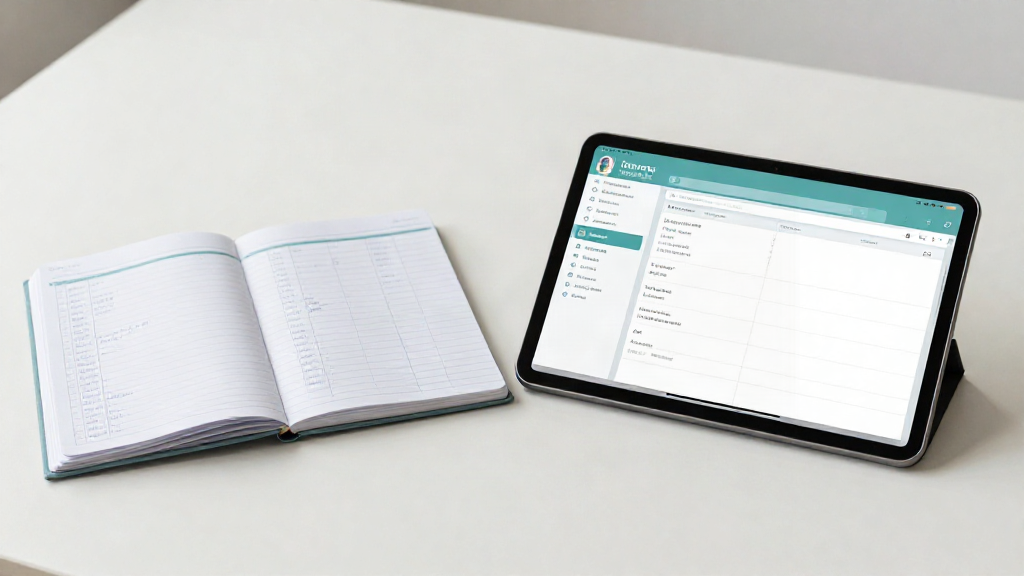
Event Planning Software vs Spreadsheets: Which Keeps You Calmer?
Every celebration begins the same way. A date is set, a feeling takes hold, and somewhere a blank spreadsheet opens. For a while, it works beautifully. Then the guest list grows, a vendor changes their quote, and the tab you were counting on goes missing.
So which should you actually plan with: a spreadsheet, or a dedicated event planning tool? The honest answer is that both can work. They just work best for different seasons of an event. Here's where each one shines, where spreadsheets quietly fall apart, and how to choose based on the size and complexity of what you're planning.
Where spreadsheets genuinely shine
Give spreadsheets their due. They're free, flexible, and familiar. Most of us already know our way around one.
For a small, simple gathering, a spreadsheet can be enough:
- A single tab for the guest list
- A rough budget column
- A short to-do list
- A cell for the caterer's number
When your event is intimate and self-contained, a spreadsheet keeps everything in one place and asks nothing of you but a little patience. There's comfort in that. You type, you sort, you're done.
For a dinner party or a small birthday, this is often all you need. The real question is what happens when the plan grows.
Where spreadsheets quietly fall apart
Spreadsheets rarely fail with a dramatic crash. They fray. Slowly, and usually at the worst moment.
Here are the places they tend to come undone:
The guest list outgrows a single tab
RSVPs arrive by text, email, and word of mouth. Dietary needs, plus-ones, and seating preferences all live in different columns, or in someone's head. You end up maintaining the same information twice, and wondering which version is true.
Budgets drift out of sync
A spreadsheet shows numbers, but it doesn't connect them. When the venue fee rises, nothing reminds you that the flowers budget just became unrealistic. You only notice when the totals stop adding up - usually weeks after the decision was made.
Tasks live in someone else's head
A spreadsheet is a document, not a reminder. There's no nudge when a deposit is due, no clear owner for the hundred small jobs that make a day feel effortless. Things slip, and the person holding the mental list carries the weight.
Vendors, seating, and moodboards scatter
The seating chart ends up on paper. Vendor contracts sit in an inbox. The inspiration images live in a phone album. Nothing talks to anything else, so every update becomes a small manual project.
Sharing creates copies
The moment you email a spreadsheet to a partner, a parent, or a planner, you have two versions of the truth. Keeping them aligned becomes its own chore.
None of this means you did it wrong. Spreadsheets simply weren't built to hold many moving parts in step at once. That's the gap all-in-one planners step into.
What an all-in-one planner adds
A dedicated event planning tool doesn't replace your care and taste. It holds the logistics so you can stay present for the moments that matter.
Here's what changes when budget, guests, tasks, vendors, and seating live in one calm overview:
- One source of truth. The guest list updates everywhere at once. No duplicate tabs, no version confusion, no "which file was right?"
- A budget that stays honest. When one line changes, you see the effect on the whole. You make the trade-off calmly, before it becomes a surprise.
- Tasks with owners and dates. Every small job has a home and a reminder. Deposits don't slip. The mental list leaves your head and lands somewhere you can trust.
- Vendors in one view. Quotes, contacts, and notes sit beside the rest of the plan, so you're never digging through an inbox.
- A seating chart that keeps up. Move one guest and the layout follows. Changes stop being a chore.
- One place to share. Your partner, your family, and your planner all work from the same picture. That alone quiets a lot of quiet stress.
The point isn't more features. It's fewer loose ends, and a steadier feeling as the date gets closer.
How to decide for your event
There's no single right answer. Let the shape of your celebration guide you.
A spreadsheet is likely enough when:
- Your guest list is small and stable
- One person holds the whole plan
- The budget has few moving parts
- You're comfortable being your own system
An all-in-one planner is worth it when:
- Guests number in the dozens or hundreds, with real RSVP detail
- Several people need to see and edit the same plan
- Budget, vendors, tasks, and seating all have to stay in step
- You want the logistics to feel light so the day can feel full
A simple way to test it: count the moving parts you're currently tracking, then count how many systems are holding them. If the second number is climbing, that's your signal.
The feeling underneath
Planning isn't really about tabs and columns. It's about arriving at your celebration with a calm mind, knowing everything is handled.
Spreadsheets can carry you a long way. When the plan gets genuinely complex, though, a tool built for the whole occasion keeps the parts in step - and gives you back the quiet. Something wonderful starts with a plan. It feels even better when the plan holds together.
Whatever you choose, choose the option that lets you be present. That's the only measure that matters.