

October 18, 2026 · 7 min read
Team Building Event Ideas Employees Actually Enjoy
Team building event ideas your people will actually enjoy, with planning tips for every team size, budget, and remote setup.
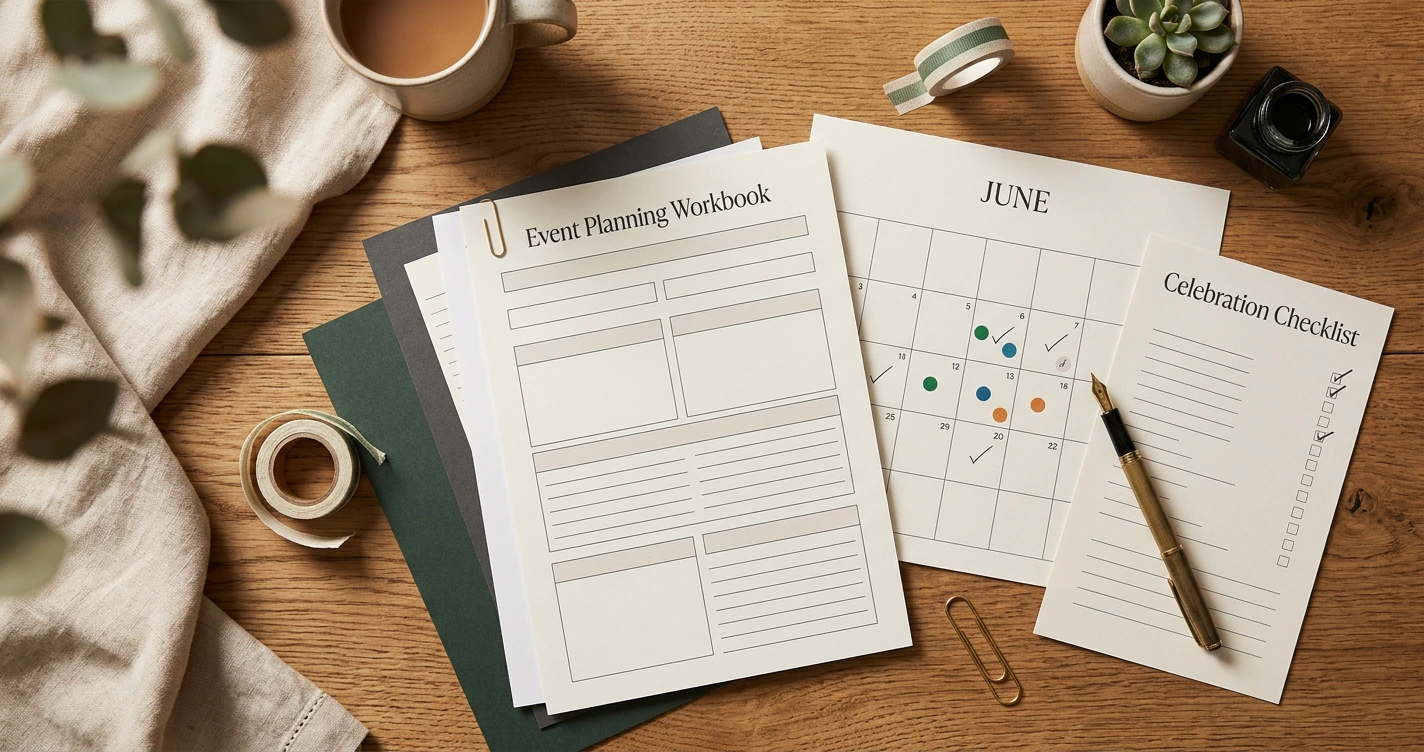
Start with a shared goal or a shared interest, because the team building event ideas employees actually enjoy all have a point beyond the invite. The activities that fall flat are the ones that feel like homework: a scheduled block of forced fun with no reason behind it.
This guide gives you concrete activities for indoor, outdoor, and remote teams, plus how to plan for different sizes and budgets, handle the logistics, and tell afterward whether it worked. The goal is a day your people talk about next week, not one they endure.
Why corporate team building boosts morale and retention
Corporate team building matters because connection at work is scarce, and scarcity makes it valuable. Gallup reports that only about two in 10 U.S. employees say they have a best friend at work, a number that has dropped for workers under 35 since 2019, according to Gallup's research on workplace friendship. A good event does not manufacture friendships, but it creates the low-stakes contact where they start.
The business case is just as plain. Highly engaged teams show up to 51% less turnover in low-turnover organizations, plus higher profitability and far less absenteeism, per Gallup's workplace engagement analysis. Retention is expensive to lose and cheap to protect, and shared experiences are one of the levers you control.
One finding should shape who you put in charge. Gallup attributes 70% of the variance in team engagement to the manager or team leader alone. That means the person hosting your event, setting the tone, and following up afterward carries more weight than the venue or the catering.
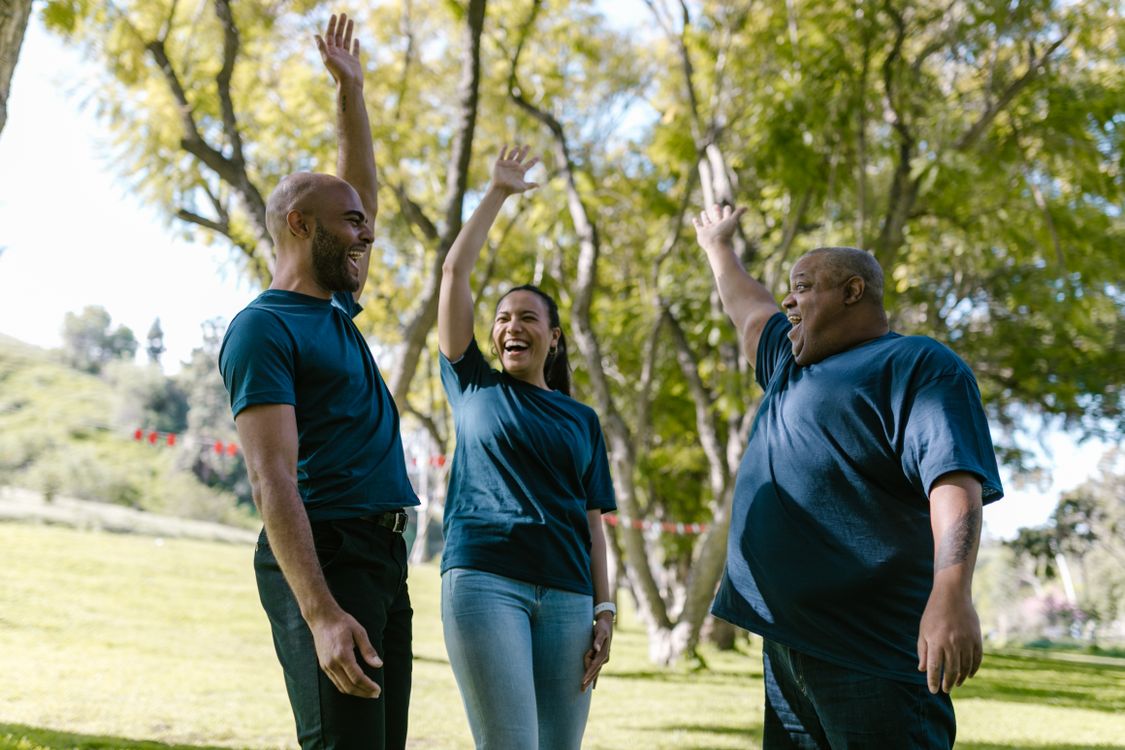
Indoor, outdoor, and virtual activity ideas
Choose the format by what your team needs right now: focus, energy, or inclusion across distance. Here are ideas in each category that reliably land.
Indoor ideas
Indoor works when you want people in one room, out of the weather, and inside a clear structure.
- Escape rooms. Small groups solve puzzles against a clock, which forces quiet people to speak up and loud people to listen.
- Cooking or baking classes. Everyone has a job, the goal is edible, and you eat together at the end.
- Workshop with a maker element. Pottery, candle-making, or a cocktail class gives people something to take home and a reason to chat while their hands are busy.
- Board game or trivia afternoon. Low cost, low pressure, and easy to run in your own space over a long lunch.
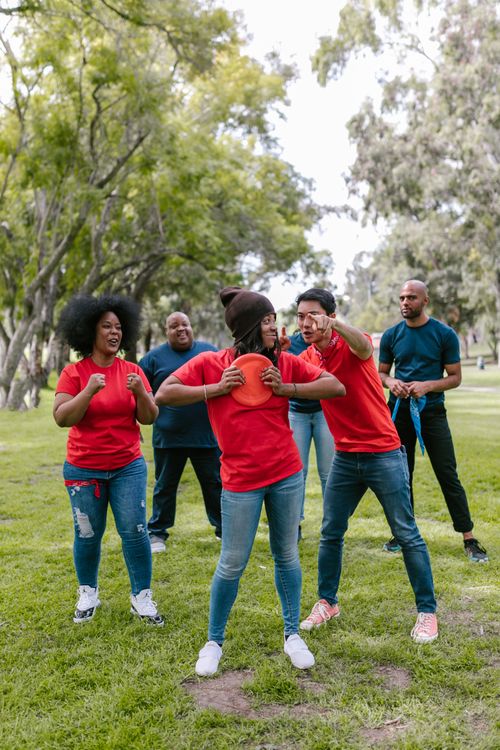
Outdoor ideas
Outdoor works when the team has been stuck at desks and needs to move.
- A guided walk or easy hike with a lunch at the end, because movement loosens conversation.
- A sports afternoon such as rounders, bowling, or mini-golf, where skill matters less than the laughing.
- A volunteering day, like a park cleanup or a community garden shift, which pairs team time with a visible result.
- An outdoor problem-solving game or scavenger hunt that spreads people into fresh small groups.
Virtual ideas
Virtual works when your people are distributed and travel is not realistic.
- Online trivia with a host and small breakout teams.
- A shipped cooking or tasting kit so everyone makes the same thing at the same time on the call.
- A collaborative online game or escape room built for remote play.
- A short show-and-tell where people share a hobby, a pet, or a view out the window, which costs nothing and builds the connection remote teams miss most.
Keep virtual sessions short and built around doing something, because small talk on a webcam drains people faster than it bonds them.
Planning for different team sizes and budgets
Set your per-head budget before you choose the activity, because cost is the one variable that quietly kills a plan you have already announced. Decide what you can repeat a few times a year rather than what you can afford once.
Then match the format to the headcount:
- Up to 10 people: one shared activity keeps everyone in the same conversation. An escape room, a cooking class, or a long lunch with a light game.
- 10 to 30 people: split into small teams for part of the event, then bring everyone back together to eat or share results.
- 30 or more: run parallel stations or rotations so no one stands around, and lean on a host to keep the whole room moving.
A rough budget ladder helps you sanity-check the spend:
- Low: a catered lunch with a trivia round or board games in your own space.
- Mid: an escape room, bowling, or a group class at an external venue.
- Higher: a full off-site day with travel, a facilitated workshop, and a meal.
If a formal corporate outing is where this is heading, a structured plan keeps the numbers honest. This complete corporate event planning guide walks through venue, catering, and run-of-show decisions you can adapt to any budget.
Handling logistics, RSVPs, and dietary needs
Nail the logistics early, because the fastest way to sour a team event is a headcount surprise at the door. Three things need a system, not a memory: who is coming, what they can eat, and where everyone needs to be.
- RSVPs. Send one invite with a clear yes or no, a deadline, and a single place to reply. Chasing replies across email, chat, and hallway conversations is where accurate numbers go to die.
- Dietary needs. Ask the question on the RSVP itself, not separately, so vegetarian, vegan, allergy, and religious requirements arrive with the headcount instead of the morning of.
- Accessibility and timing. Confirm the venue works for everyone, share travel details once, and pick a time that respects people with caring responsibilities or long commutes.
Keep all of it in one view. When the guest list, the RSVP status, and the dietary notes live in the same place, your final numbers for catering and transport are a glance rather than a spreadsheet reconciliation.
Measuring whether the event worked
Measure the event with a short follow-up and a few honest signals, not a warm feeling in the room. A single outing rarely moves hard numbers, so look for patterns across several.
Use three light measures:
- A two-question pulse survey within a week. Ask whether people enjoyed it and whether they would come again. Short surveys get answered.
- Attendance and stay rate. Who showed up, and who stayed to the end, tells you more than any RSVP count did.
- Soft signals in the days after. Watch for cross-team conversations, new names in channels, and people referencing the event unprompted.
Over a year, rising attendance and a steady or improving pulse score tell you the format is working. Falling attendance is your cue to change the activity, not to cancel the idea. Disengagement is costly at scale: Gallup puts the price of low engagement in the U.S. economy at roughly $2 trillion in lost productivity, so a few well-run events are a modest hedge against a large problem.
Organizing everything with an event planner tool
Run the whole thing from one place, because the admin, not the activity, is what makes team events feel like a chore to organize. A dedicated event planner keeps the moving parts in a single view instead of scattered across inboxes and spreadsheets.
With Wdplan you can build the guest list, send invitations, and track RSVPs and dietary needs as replies come in, then manage the budget, tasks, and calendar for the day beside them. Vendor details for a venue or caterer sit in the same workspace, so the person running the event, the one who carries most of the engagement weight, spends their time on people rather than paperwork. You can explore a free sample event before committing anything.
The next step is small: pick one activity your team would genuinely choose for a free afternoon, set a per-head budget you can repeat, and send a single invite that asks for the RSVP and the dietary note together. Organized once, the day runs itself.