

October 18, 2026 · 6 min read
Creative Wedding Seating Chart Ideas and Displays
Wedding seating chart ideas that fit your venue, handle tricky family dynamics, and give you a simple way to finalize before you print.
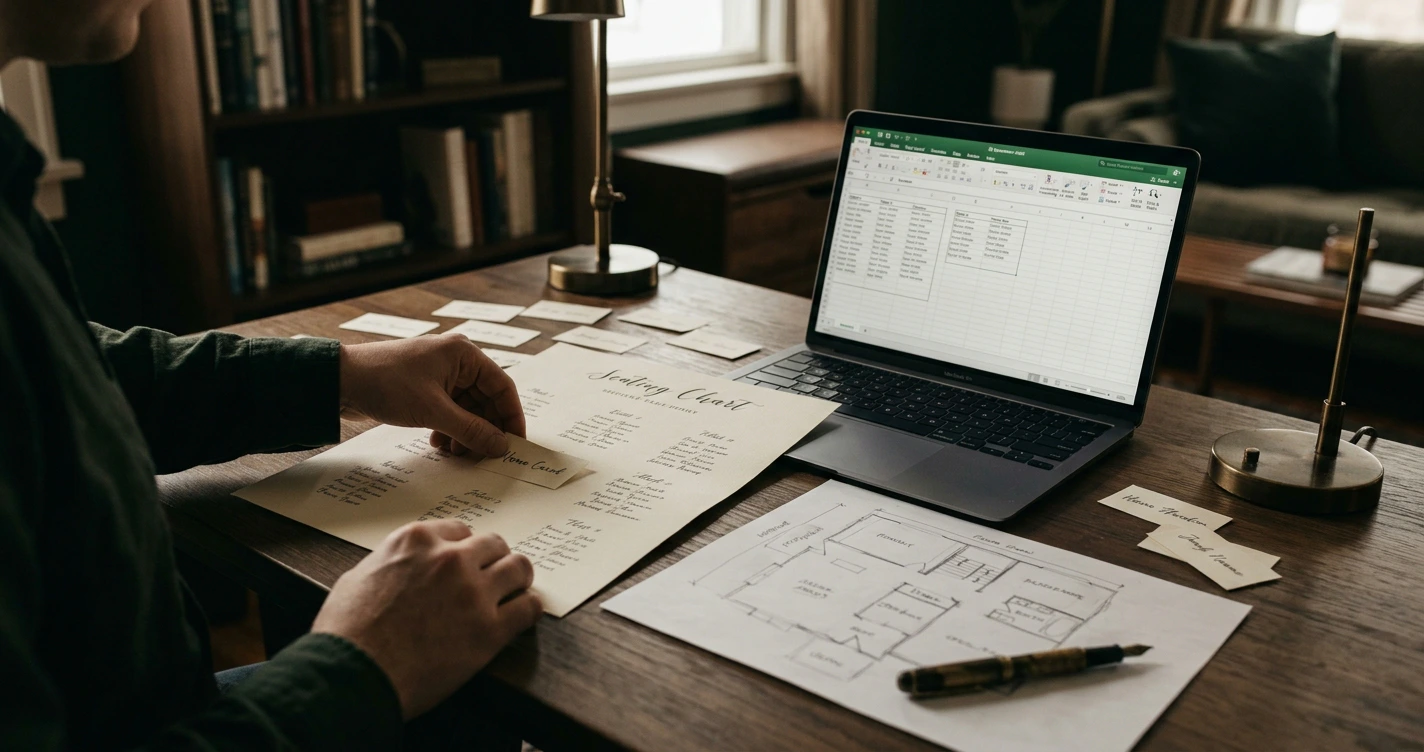
Start with your venue, not your guest list, because the shape of the room decides which seating arrangement will actually fit. A long narrow hall, a round barn, and a garden tent each reward a different layout, so the smartest wedding seating chart ideas begin with the floor plan in front of you. Once you know what the space allows, you can place your people with far less guesswork.
This guide walks through table styles by venue, when assigned seats beat open seating, display and signage options, handling difficult guests, accessibility, and how to finalize everything digitally before anything gets printed. The seating plan ideas below scale from a 30-person dinner to a 200-guest reception.
Wedding Seating Chart Ideas That Start With the Venue
The average wedding hosts 117 guests, according to The Knot's 2026 guest list data (The Knot, 2026), which is roughly a small company's worth of names to seat in one room. That headcount, plus your venue's dimensions, drives the arrangement more than any trend does.
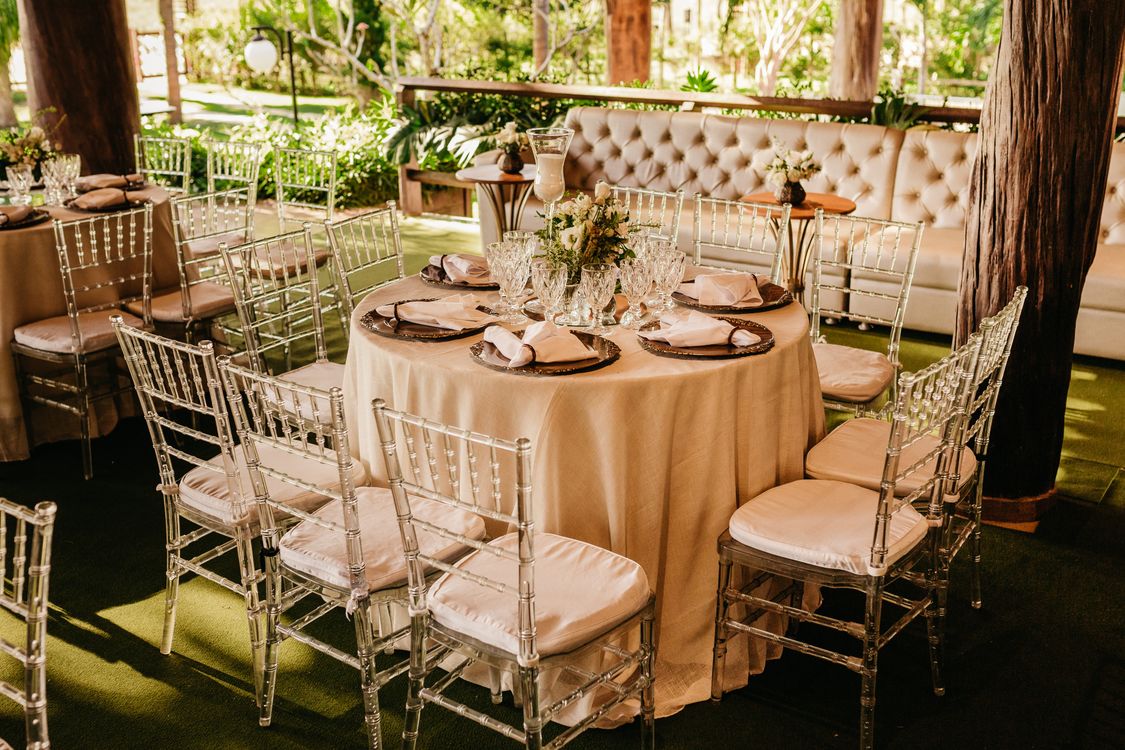
Round tables of eight to ten seat the most people in the least space, and they let everyone see each other, so they suit ballrooms and larger halls. Long banquet tables feel communal and photograph well, but they eat floor space and work best in tents or rectangular rooms. A U-shape or horseshoe keeps the couple visible to everyone, which fits intimate dinners under about 40 guests.
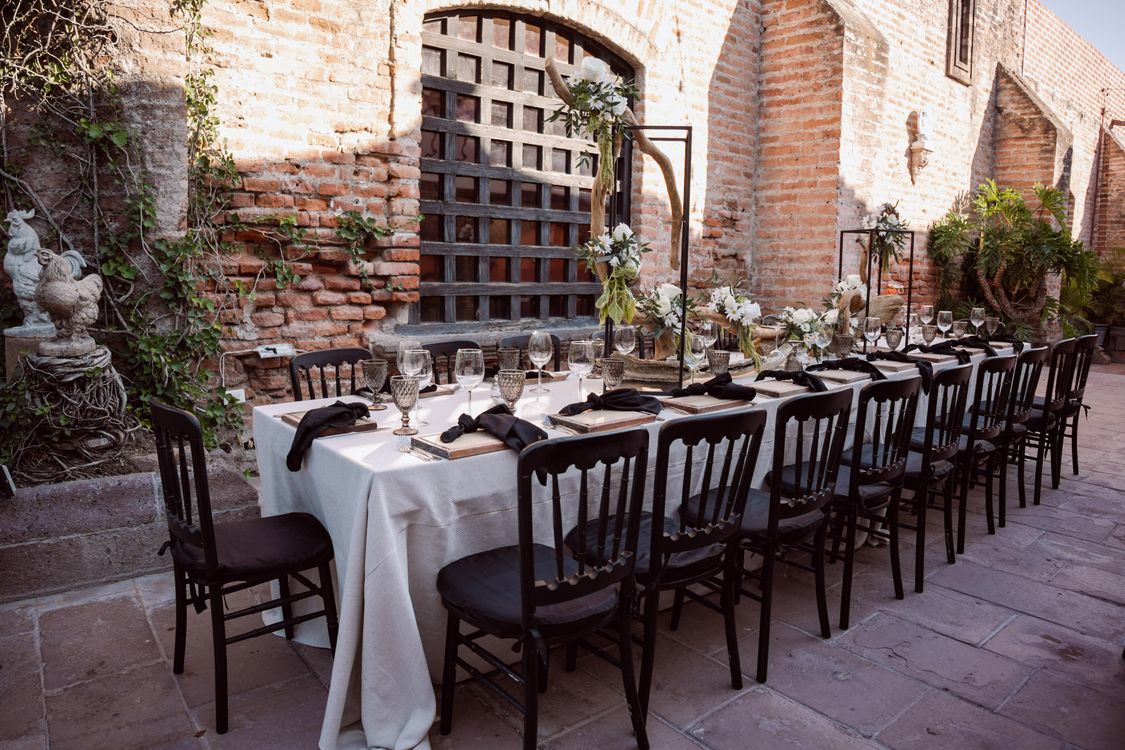
Mix shapes if the room is awkward. A head table plus scattered rounds breaks up a long hall and gives you flexibility where pillars or doorways interrupt the space. If you are still deciding on the overall approach, our step-by-step guide to making a wedding seating chart covers the sequence from headcount to final layout.
Assigned Seats vs Open Seating: What Works When
Assigned seating is the safer default for most weddings, because it removes the awkward shuffle of guests hunting for chairs and guarantees that every person has a place. The Knot's 2026 data puts the average at 117 guests, and a list that size is hard to leave to chance.
Choose assigned seats when you are serving a plated dinner, hosting a formal event, or seating more than roughly 50 people. Waitstaff need to know who ordered what, and older relatives appreciate a reserved spot. Assigning tables (not specific chairs) is a lighter option that still keeps order while letting friends settle in together.
Open seating suits casual receptions, buffets, cocktail-style parties, and smaller groups where most guests already know each other. It saves you planning time and feels relaxed. The trade-off is that latecomers may end up scattered, and shy guests sometimes hover, so reserve a few tables for close family even in an open plan.
Escort Cards, Displays, and Signage Ideas
The display is the first thing guests touch on arrival, so make it fast to scan and on-theme. Escort cards tell a guest which table to find; place cards sit at the exact seat. Many weddings use escort cards at the entrance and skip place cards entirely, which keeps setup simpler.
For a creative display, try one of these:
- Alphabetized card wall. Pin or clip escort cards to a framed grid or ribbon board, sorted by last name so guests find their name in seconds.
- Living backdrop. Attach cards to a greenery wall, a potted plant, or a vintage window frame for a display that doubles as decor.
- Single large sign. A mirror, acrylic panel, or chalkboard listing each table and its guests reads well for lists up to roughly 80 names.
- Functional favors. Write names on luggage tags, mini bottles, or seed packets so the escort card leaves with the guest.
Keep fonts large and high-contrast, because calligraphy looks beautiful but turns unreadable in dim lighting. Sort by guest name rather than table number, since people know their own name but not which table you assigned them.
Seating Difficult Guests and Family Dynamics
Seat people near friends they enjoy, not simply away from people they clash with, because a good table carries the whole evening. Guest experience matters to couples: 75% say they prioritize it when planning, rising to 80% among those with 100 or more guests, according to The Knot's Real Weddings Study (The Knot Worldwide, 2023).
Divorced parents are the classic puzzle. Give each their own table of allies rather than forcing them together, and keep a comfortable buffer of other tables between them. For tension between two guests, separate them by a full table and seat each with people who put them at ease.
A few practical rules help:
- Mix singles into friendly groups rather than isolating them at a leftover table.
- Keep children near their parents unless you have a dedicated kids' table with supervision.
- Place older relatives away from speakers and traffic so they can hear and relax.
If plus-ones and children are complicating your list before you even reach seating, our guide to wedding guest list etiquette for plus-ones and kids sorts out who to include first.
Accessibility and Comfort Considerations
Plan for access from the start, because a guest who uses a wheelchair needs a clear route and the right clearance, not a last-minute shuffle. Public accessibility standards set minimum widths for accessible routes between tables and doorways, and the U.S. Access Board's ADA guidelines (U.S. Access Board) are a useful benchmark even for a private event.
Seat guests with mobility needs at the end of a row or near an aisle so they are not boxed in. Keep them close to entrances, restrooms, and accessible parking, and leave space beside a chair if someone needs to park a wheelchair or walker rather than transfer.
Comfort extends past access. Seat guests with hearing difficulty away from the band or speakers. Note dietary needs at the table level so catering can deliver to the right spot. Position elderly guests out of direct sun or draft, and give nursing parents a quieter corner if they want one.
Finalizing Your Chart Digitally Before Printing
Build the chart in a digital tool first, because RSVPs keep shifting and a drag-and-drop layout lets you move a guest between tables in seconds instead of redrawing by hand. Couples juggle an average of 14 vendors, according to The Knot's Real Weddings Study (The Knot Worldwide, 2023), so anything that cuts manual rework is worth it.
Wait until your RSVP deadline passes, then chase the stragglers, before you lock anything in. A digital chart linked to your guest list updates headcounts automatically as replies land, which keeps your table counts honest. Wdplan connects your guest list and RSVPs to a drag-and-drop seating chart in one place, so a late "yes" or a surprise plus-one reflows without starting over.
Do a final pass about one to two weeks out. Check that every confirmed guest has a seat, meal counts match the caterer's numbers, and no table is uncomfortably crowded. Only then export or print your escort cards and signage, since printing early is how you end up with cards for guests who canceled.
A seating chart is really just your guest list, organized into a room. Start your plan in Wdplan, let the RSVPs settle, and you will walk into the final week arranging names instead of chasing them.