

October 15, 2026 · 7 min read
How to Plan a Destination Wedding Abroad
Destination wedding planning made calm: budget, legal paperwork, guest lists, travel logistics, remote vendors, and online RSVPs, step by step.

Start destination wedding planning by fixing two numbers before anything else: your total budget and the realistic number of people who can travel. Those two figures decide your country, your venue and your guest list, so settle them first and every later choice gets easier.
A wedding abroad trades a little control for a lot of atmosphere. You lose the ability to drop by the venue on a Saturday, and you gain a celebration that doubles as a trip your closest people will remember for years. The work is mostly logistics, and logistics respond well to a clear system. What follows is how to plan a destination wedding step by step, from choosing where to marry to collecting the final RSVP.

Destination wedding planning starts with budget and vision
Pick your location by cost and guest reach, not by the prettiest photo. A distant, expensive country shrinks your guest list on its own, because flights and hotel nights filter who can realistically come.
Set a working budget before you compare countries. The average wedding in 2025 cost $34,000 with couples spending an average of $292 per guest, according to The Knot Worldwide's 2026 Real Weddings Study. A destination wedding often lands differently: fewer guests can cut your catering and seating costs, while your own travel, the venue's import fees and a multi-day schedule push the per-head figure the other way. Build your numbers from scratch rather than assuming abroad is automatically cheaper.
Weigh three practical filters as you shortlist:
- Travel cost and time. A four-hour flight keeps more guests in the room than a fourteen-hour one. Count the connections, not just the destination.
- Season and currency. Off-peak dates lower venue and hotel prices, and a favorable exchange rate quietly stretches the whole budget.
- Your actual vision. Coast, vineyard, city rooftop or mountain village each carries a different price and a different vendor pool. Name the feeling you want, then find the cheapest place that delivers it.
If the total still feels heavy, a smaller celebration solves more than it costs. A short guest list abroad can buy a better venue and a calmer week.
Legal and paperwork considerations to check early
Confirm the legal requirements of your chosen country before you book a thing, because the rules vary widely and some take weeks to satisfy. A venue deposit is wasted if you discover too late that the country requires a residency period you cannot meet.
Most countries ask for some combination of valid passports, certified birth certificates, proof that you are free to marry, and divorce or death certificates where a previous marriage applies. Many also require that foreign documents be authenticated with an apostille before they will accept them, and the office that issues an apostille depends on who issued the original document. The U.S. Department of State's guidance on marriage of U.S. citizens abroad is a reliable starting point for understanding how these requirements work and why local law, not your home country's, governs the ceremony.
Two routes are common, and both are valid:
- Legal marriage abroad. You complete the full legal ceremony in the destination country. This can mean residency rules, translated and authenticated paperwork, and sometimes a waiting period on arrival.
- Legal marriage at home, symbolic ceremony abroad. Many couples sign the paperwork quietly at home first, then hold the real celebration overseas. It removes most of the foreign document burden and lets you treat the trip as the event.
Whichever route you choose, confirm in writing that your marriage will be recognized when you return home, and keep digital copies of every document in the same place you keep the rest of your plan.
Managing a guest list spread across countries
Build the list knowing fewer people will come than for a local wedding, because travel cost and time off work do the filtering for you. Close family and your nearest friends tend to make the trip; casual acquaintances and distant coworkers often cannot, and that is normal.
Sort every name into three tiers as you draft: people you need there, people you would love there, and people you would happily host if numbers allow. The tiers make it painless to send save-the-dates in waves and to see your true headcount take shape. Settle your rules on partners and children early so the list stops shifting under you.
Keep the whole list in one shared tool rather than a spreadsheet that lives on one laptop. Wdplan's online guest list manager holds names, contact details, dietary notes and RSVP status in a single view, so you and your partner are always working from the same count instead of two slightly different ones.
Coordinating travel, accommodation, and logistics
Send save-the-dates far earlier than you would for a wedding at home, because your guests need to book flights, request time off and budget for a trip. Six to twelve months of notice is reasonable, and the sooner the better for the people you most want there.
Make the logistics easy and your attendance improves. A few moves carry most of the weight:
- Reserve a hotel room block at one or two price points so guests can book with a code instead of hunting alone.
- Share a simple travel page with the nearest airport, rough flight times and ground transport, so nobody has to ask you the same question twice.
- Build a loose timeline for the whole trip, not just the ceremony, and keep tasks, deadlines and a shared calendar in one place. Wdplan's tasks and calendar tools let you assign who confirms the shuttle and who chases the florist, with dates attached.
If you want a proven order of operations, adapt our ultimate wedding planning timeline to a destination schedule by pulling every guest-facing deadline earlier.
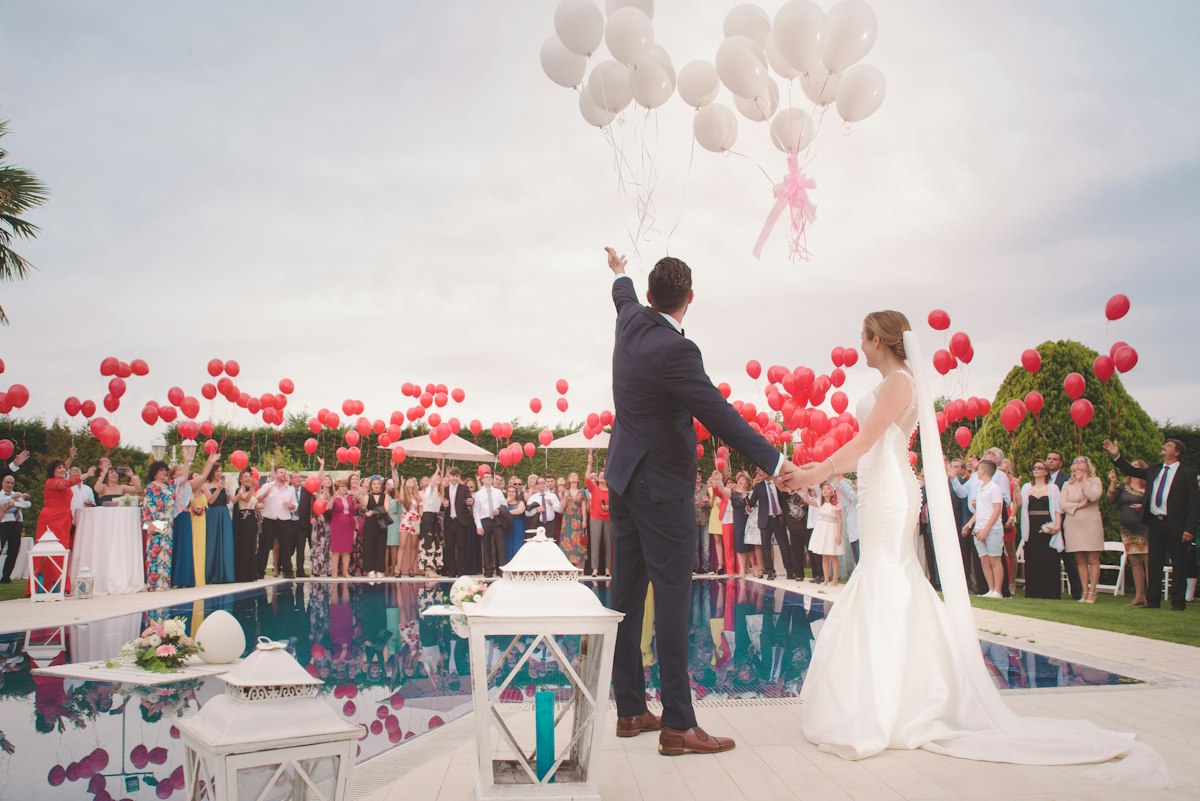
Working with local vendors remotely
Hire your vendors on video calls and written contracts, since you cannot walk into the venue or taste the menu in person. The call tells you whether you can communicate easily; the contract protects you when you cannot be there to supervise.
Treat remote vendor selection as a short, repeatable process:
- Shortlist by portfolio and reviews, then request a video walkthrough of the space or recent work.
- Ask about language and time zones up front, because a planner who replies promptly in your language is worth more than a cheaper one you struggle to reach.
- Get everything in writing: what is included, the payment schedule, the cancellation terms and who does what on the day.
- Confirm deposits and deadlines and record each one, so no payment slips through across the distance.
A local coordinator or venue-provided planner earns their fee on a destination wedding by being your eyes on the ground. Keep every quote, contract and payment date in one shared record so nothing depends on memory, and Wdplan's vendor tools keep all of it beside your budget and timeline.
Sending digital invitations and collecting RSVPs online
Invite and collect replies online, because paper invitations crossing borders are slow, easy to lose and impossible to update. A digital invitation reaches every guest the same day and lets you attach the travel details they will actually need.
Ask for more than a yes or no. A good online RSVP captures meal choice, arrival and departure dates, hotel needs and any plus-one, so your headcount stays accurate without a dozen follow-up messages. Wdplan's RSVP tracking collects all of it against each guest, and the count feeds straight into your seating chart, so when a reply changes your tables update with it. For wording and format ideas, see our guide on sending digital invitations for any event.
Set a reply deadline two to three weeks earlier than you would at home. Guests booking international travel need the nudge, and an early cutoff gives your vendors a firm number in time to plan.
Your next step
Open one place to hold the whole plan before you book anything, because a destination wedding falls apart on scattered notes and half-remembered deadlines. Put your budget, guest list, paperwork checklist, vendor contracts and RSVPs in a single shared workspace, invite your partner, and let the headcount, the tables and the timeline stay in sync as answers come in.
You can try that free with a sample event on Wdplan and build your real plan around it. Start with the budget and the guest list this week; the country will feel a lot clearer once those two numbers are on the screen.