

October 21, 2026 · 8 min read
How to Plan a Memorable Anniversary Party
Anniversary party ideas plus a clear, step-by-step plan: themes, guest list, budget, venue, RSVPs, and sentimental touches that land.
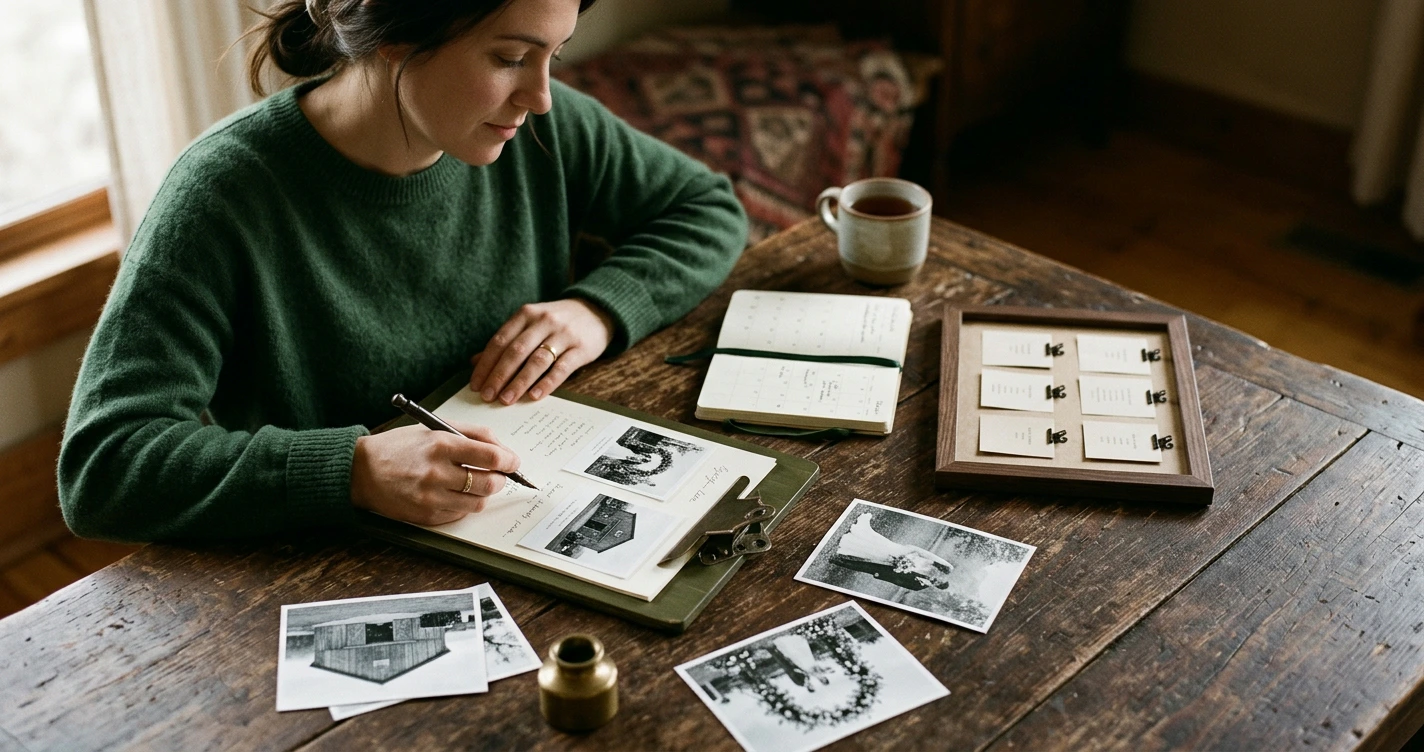
Start with two numbers before you pick a single balloon: how many people you want in the room, and how much you can comfortably spend. Those two decisions shape every anniversary party idea that follows, because the theme, venue, menu, and invitations all bend around headcount and budget rather than the other way around.
This guide walks you through how to plan an anniversary party step by step, from choosing a theme that actually honors the couple to managing RSVPs without a spreadsheet nightmare. Whether you are marking a first year or a fiftieth, the process is the same: decide the scale, then layer in the touches that make the night feel personal.
Choose a Theme That Honors the Couple or Milestone
Pick a theme that points back to the people you are celebrating, because a theme is really just a shortcut for every smaller decision you will make later. Once you know the mood, the invitations, menu, and music mostly choose themselves.
A few directions that tend to land:
- The year they married. Pull colors, music, and a few props from the decade. A 1999 couple gets a different playlist than a 1975 one, and guests feel the nostalgia instantly.
- Their shared passion. If they travel, build a destinations table. If they garden, lean into fresh flowers and herbs. The theme should feel like them, not like a generic party store aisle.
- The traditional anniversary material. Paper for one year, silver for twenty-five, gold for fifty. These give you an easy color story and a natural gift theme for guests.
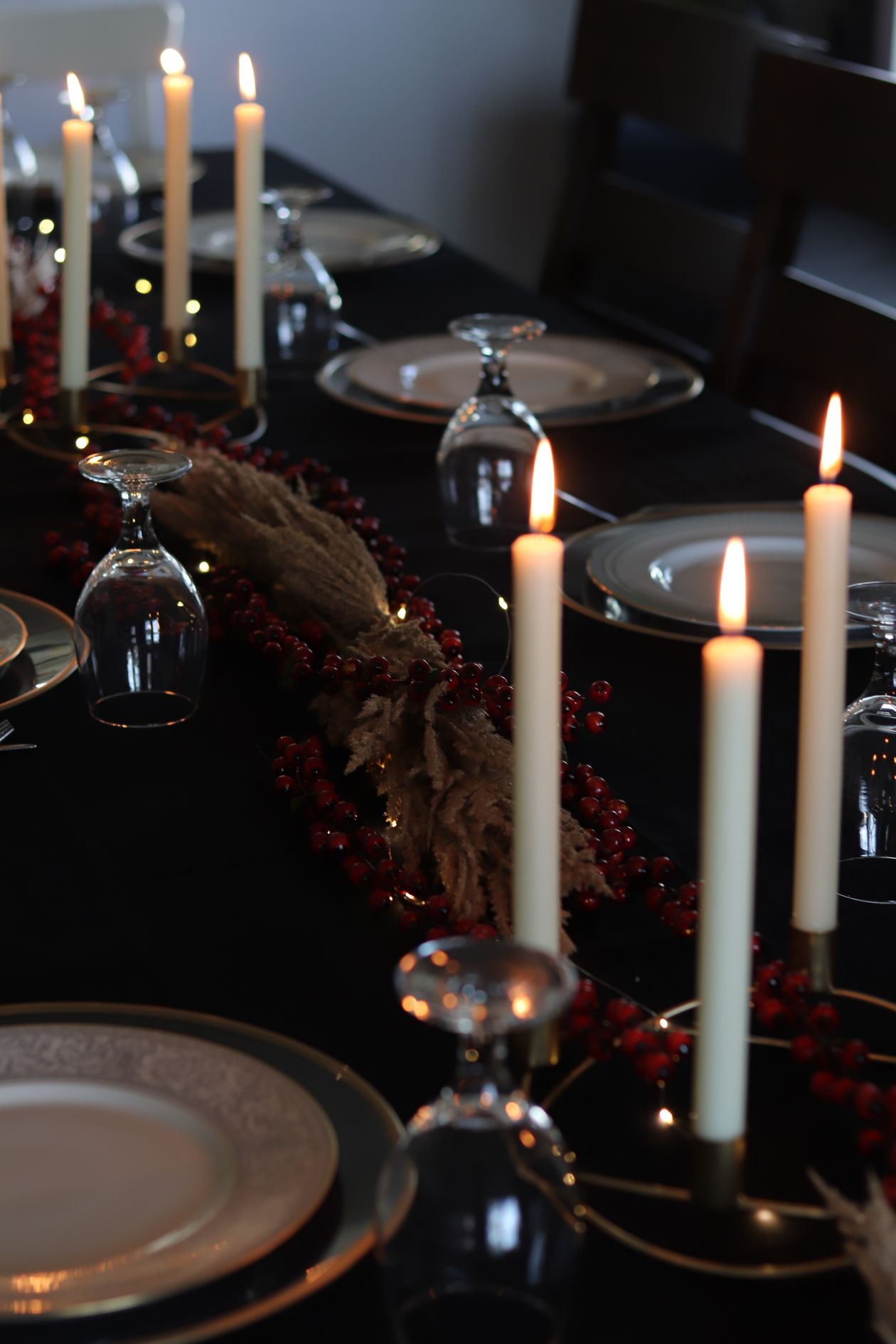
- A simple elegant dinner. For a milestone, a restrained, grown-up table setting often beats a loud theme, because the point is the people at the table.
Keep the theme light enough that it guides decisions without boxing you in. One strong color palette and one recurring motif are usually enough.
Set a Guest List and Budget Early
Lock your guest list and budget before you book anything, because these two numbers control the entire plan. A party for 15 and a party for 100 are different events with different venues, and committing to a venue before you know your headcount is how budgets break.
Think in cost per head rather than one lump sum, since that is how most real spending works. According to The Knot Worldwide's 2026 Real Weddings Study, which surveyed more than 10,000 couples, average event spending runs about $292 per guest. Anniversary parties are usually leaner than weddings, but the lesson holds: every name you add has a price tag attached.
A simple way to draft your budget:
- Decide your total ceiling first, the number you will not cross.
- Divide it by your rough guest count to find your per-head limit.
- Assign the biggest share to food and drink, then venue, then everything else.
- Hold back 10 percent for the surprises that always appear in the final week.
If controlling the spend is the whole point, a planning tool helps you watch the running total instead of discovering it at the end. Wdplan keeps your guest list, budget, and tasks in one place, so adding a name updates your projected cost in real time.
Venue and Catering Ideas for Every Size
Match the venue to your guest count and your format, not to a picture you saw online. The right space for a 12-person anniversary dinner is the wrong space for a 60-person reception, and overbooking a room feels as off as cramming one.
For intimate gatherings (up to 20). Host at home, book a private dining room, or reserve a favorite restaurant's back table. Smaller, more personal celebrations have been gaining ground, and they let you spend on quality rather than quantity.
For mid-size parties (20 to 60). Look at event rooms in local venues, community halls, a brewery or winery space, or a covered outdoor area with a backup plan for weather. This is the range where a seated dinner or a generous buffet both work.
For larger celebrations (60-plus). You will likely need a dedicated event venue or marquee, plus a caterer rather than a restaurant. At this size, logistics like parking, restrooms, and a clear floor plan start to matter as much as the food.
On catering, budget realistically. Food and service costs have kept climbing, so expect per-person prices to run higher than they did a couple of years ago. Get written quotes, confirm what service staff and rentals are included, and ask about dietary options early.
If you want a seated plan for a larger group, a drag-and-drop seating chart saves you from rearranging place cards by hand the night before. Wdplan's seating tool lets you move guests around a floor plan visually and spot problems before they happen.
Surprise vs Collaborative Planning
Decide early whether this is a surprise or a shared effort, because the two approaches run on opposite rules. A surprise lives or dies on secrecy; a collaborative party lives on clear ownership.
If you are planning a surprise:
- Recruit one trusted inside helper who can manage the guest of honor's calendar and get them to the venue without suspicion.
- Keep RSVPs off group chats and public channels, since one stray message ruins the reveal.
- Give every guest an arrival time about 30 minutes before the guest of honor, plus simple instructions on where to wait.
- Have a cover story ready and a backup in case plans shift.
If you are planning collaboratively:
- Share the guest list and budget with your co-planners so everyone works from the same numbers.
- Assign clear owners: one person on catering, one on music, one on decor.
- Use a shared task list and calendar so nothing falls through the gaps between people.
Collaborative planning is where a shared workspace earns its keep. Wdplan lets co-hosts see the same tasks, guest list, and timeline, which removes the endless back-and-forth of "did anyone confirm the cake?" and keeps a single owner on every job.
Manage Invitations and RSVPs Online
Send invitations that collect replies in one place, because chasing confirmations across texts, email, and phone calls is where most hosts lose their patience. A simple online invitation with a built-in RSVP turns a guessing game into a live, accurate count.
Build an RSVP buffer into your numbers. A predictable slice of guests who say yes end up as no-shows or last-minute cancellations, so your confirmed count is almost never your final count. Plan catering and seating with a small cushion rather than the raw yes total.
A clean RSVP flow looks like this:
- Send invitations three to four weeks out for a milestone, sooner if it involves travel.
- Set an RSVP deadline about ten days before the party, which gives you time to finalize catering.
- Ask for the details you actually need: headcount, plus-ones, and dietary notes.
- Send one gentle reminder to anyone who has not replied by the deadline.
An online guest list manager keeps all of this current. Wdplan tracks who is invited, who has replied, and who still owes an answer, so your headcount stays trustworthy. If you want a broader look at digital invites, our guide on how to send digital invitations for any event covers the formats and etiquette.
Sentimental Touches That Make It Special
Spend your creative energy on the personal details, because those are what guests remember long after the catering is forgotten. Decor sets the mood, but a moment that reflects the couple is what people talk about on the drive home.
Touches worth planning:
- A photo timeline. Line up pictures from the wedding day through today. It takes an afternoon and anchors the whole room.
- A shared playlist. Ask guests to add one song that reminds them of the couple, then play it through the night.
- A short toast schedule. Two or three planned toasts beat an open mic that drifts. Give each speaker a two-minute heads up.
- A guest message collection. A card box, a video booth, or a simple notebook gives the couple something to keep.
- One signature detail. The couple's first-dance song, a recreated first-date dish, or the cake flavor from their wedding. Pick one and do it well.
Jot these ideas somewhere you will not lose them. Wdplan's moodboards and notes keep inspiration, color palettes, and your running to-do list together, so the sentimental plan does not get buried under logistics.
Put It All Together
The fastest way to turn these anniversary party ideas into a real plan is to open a single workspace and enter three things tonight: your guest list, your budget ceiling, and your date. From there the venue, catering, and theme decisions have numbers to answer to, and the sentimental touches have room to grow. Wdplan gives you a free sample event to try the whole flow, from guest list to seating chart, before you commit a cent, so the next step is simply to start the plan and let the details fall into place.