

October 26, 2026 · 8 min read
Should You Invite Kids to Your Wedding?
Deciding on kids at weddings? Compare adults-only vs kid-friendly, word child-free invites politely, and track young guests with ease.
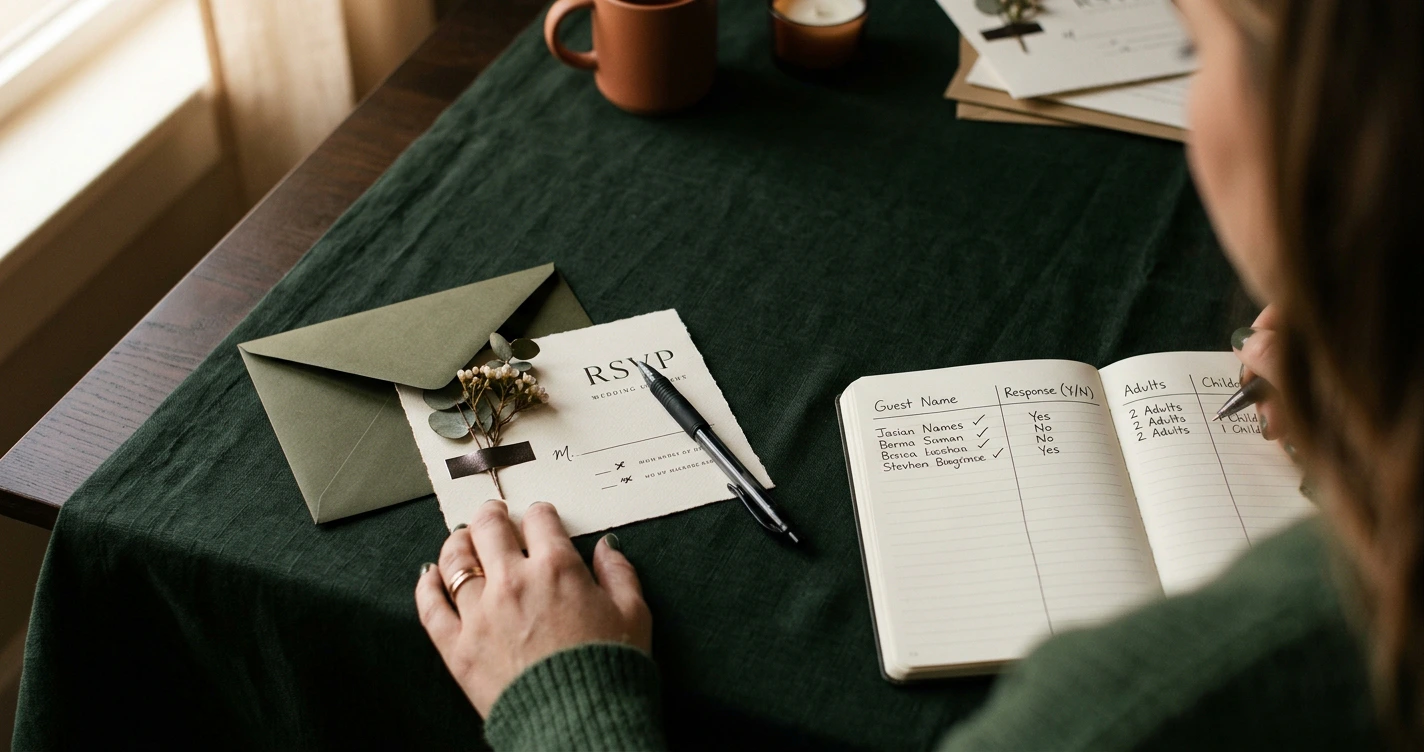
There is no wrong answer, only a decision you need to make early and communicate clearly. Whether you host a kid-friendly day or an adults-only celebration, the problems start when the policy is vague or announced too late for parents to arrange childcare.
Kids at weddings are one of the most common sticking points couples face, because the choice touches family feelings, your budget, and the mood you want on the day. The good news is that an adults-only wedding is no longer unusual or awkward. In fact, 87% of US couples now approve of child-free weddings, up from 61% in 2020, according to The Knot's 2026 research. This guide walks you through the trade-offs, the wording, and the logistics so you can decide with confidence and keep everyone informed.
Kid-Friendly vs Adults-Only: Weighing the Trade-Offs
Start by naming what you actually want from the day, because that single priority settles most of the debate. A room full of cousins and toddlers reads very differently from a candlelit dinner that runs late.
A kid-friendly wedding keeps families together and spares parents the cost and stress of childcare. Children in the room often lift the energy, especially during the ceremony and the early part of the reception. The trade-offs are practical: more mouths to feed, more noise during speeches, and parents who may leave early for bedtimes.
An adults-only wedding gives you a calmer, more grown-up atmosphere and tighter control over your headcount and budget. It also lets guests who are parents enjoy a rare night off. The research backs this up: 74% of UK parents who had attended a child-free wedding said they enjoyed the night more than expected, and only 6% of parents who received a child-free invitation declined specifically because of the policy, per the same 2026 survey. The downside is that some families cannot or will not travel without their children, so a few regrets are likely.
Budget often tips the decision. With the average wedding hosting 117 guests at roughly $292 per guest, according to The Knot Worldwide's 2026 Real Weddings Study, every additional seat is a real cost. Trimming a dozen children can fund an upgrade elsewhere, though many caterers charge a reduced rate for kids, which softens the maths.
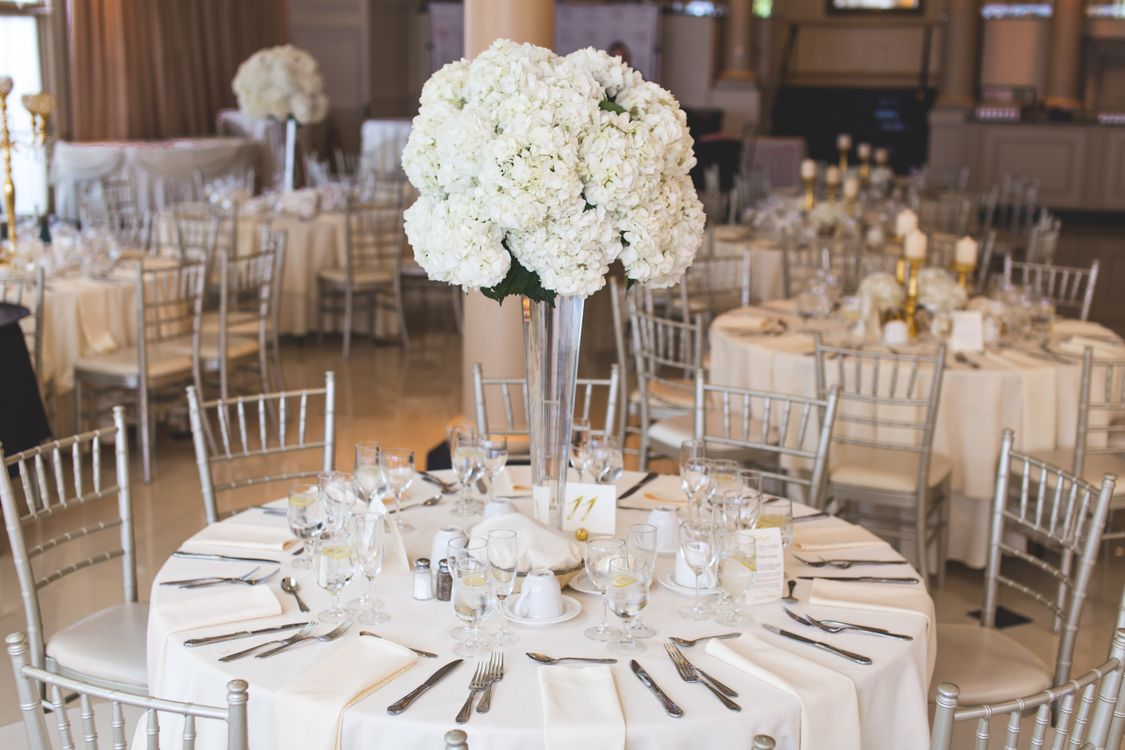
There is no single right choice here. If you are set on a late, boozy party, adults-only serves the mood. If your families are close and the celebration is meant to feel like a reunion, welcoming children will feel natural.
How to Word a Child-Free Invitation Politely
Decide the policy before invitations go out, because retrofitting a rule after people have assumed they can bring the kids creates far more friction. The wording itself is simpler than most couples fear.
The cleanest signal is the addressing. Write the invitation to the specific adults you are inviting, by name, rather than "The Smith Family." A named invitation quietly tells guests that only those named are expected.
Then add one short, warm line where guests will look for details. On your RSVP card or wedding website, something like one of these works well:
- "We have chosen an adults-only celebration and hope you can enjoy a night off."
- "While we love your little ones, our wedding will be an adults-only event."
- "To allow all our guests to relax, we are keeping our celebration child-free."
Keep it to a single sentence. Long explanations and apologetic notes read as defensive, and a scolding tone ("no children under any circumstances") puts people on the back foot before they have even replied.
If you expect questions, your wedding website is the place to answer them. A short FAQ line about the kids policy saves you from repeating yourself across a dozen phone calls, and it keeps the detail somewhere guests can check without asking you directly.
Entertainment and Seating for Young Guests
If you do welcome children, plan for them deliberately so parents can actually relax and the rest of your guests stay happy. A bored child at a five-hour reception becomes everyone's problem, so give them something to do.
A few reliable options, scaled to your budget:
- An activity table with colouring sheets, small puzzles, and a disposable camera for older kids.
- A dedicated kids' corner with a babysitter or two, often cheaper than you expect when split among families.
- Early entertainment such as a magician or a craft station during the gap between ceremony and dinner, when adults are mingling and children get restless.
- A relaxed "unplugging" plan for the speeches, letting parents step out with little ones rather than shushing a whole table.
Seating matters just as much. Place families with young children near an exit so a mid-dinner meltdown does not require crossing the whole room. Keep them away from the band or speakers, where the volume can overwhelm. If you have several children of similar ages, a shared kids' table with a responsible teenager or sitter can be a hit, though check with parents first, since some prefer to keep toddlers close.
Mapping this out is far easier when you can see the whole room. Wdplan's drag-and-drop seating chart lets you move families and tables around until the flow works, and you can pair it with ideas from our post on creative wedding seating chart displays to make the layout look as good as it functions.
Managing Parents' Reactions and Exceptions
Expect a few strong feelings, and decide your exceptions before anyone asks, because a consistent rule is the only one you can defend without hurt feelings. Most parents understand an adults-only wedding once they know in advance; the resentment usually comes from feeling singled out or ambushed.
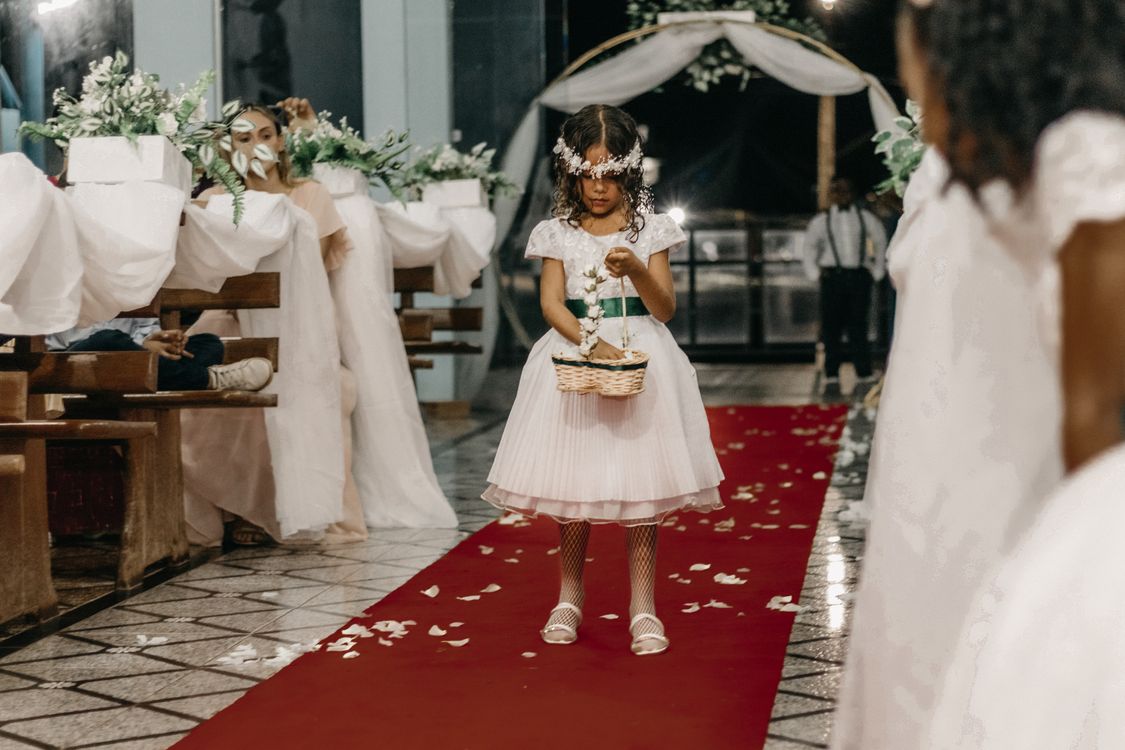
The safest approach is a clean line: either all children are welcome, or only children in the wedding party are. Flower girls and ring bearers are the one exception almost everyone accepts, so state plainly that only children in the ceremony will attend. The moment you start making one-off exceptions for a favourite niece, every other parent has grounds to ask for the same.
For guests travelling a long way, a small gesture goes far. Offering to help arrange a trusted local babysitter can turn a reluctant yes into an easy one. The same 2026 survey found the decline rate drops when couples proactively help with childcare, so a short list of sitters or a shared nanny for the night is worth the effort.
When someone pushes back, stay warm and firm. A simple "We completely understand if the timing does not work for your family, and we will miss you" closes the conversation without a negotiation. You are allowed to hold your decision.
Tracking Children Separately on Your Guest List
Treat children as their own category from the start, because lumping them in with adults throws off your catering numbers, your seating plan, and your budget in one go. A toddler in a high chair is not the same line item as a dinner guest.
Set up your guest list so each young guest is tagged by rough age band: infants, young children, and older kids or teens. That distinction drives three practical things:
- Catering numbers, since children's meals and high chairs are counted and quoted differently.
- Seating, because you will group families and reserve space for pushchairs or booster seats.
- Favours and extras, from kids' activity bags to smaller welcome gifts.
A spreadsheet can do this, but it gets messy fast once RSVPs, meal choices, and plus-ones pile up. Wdplan's guest list and RSVP tools let you tag children as a distinct group, track their responses alongside everyone else, and feed accurate numbers straight into your budget and seating chart, so one update flows through to every part of your plan.
Catering and Meal Considerations for Kids
Confirm your caterer's children's pricing and age cutoff early, because both vary by venue and quietly shape your per-head budget. Most caterers charge a reduced rate for children, often somewhere between half and three-quarters of the adult price, but the age at which a "child" becomes a full-price adult is not standard.
Ask your caterer three questions up front:
- What is the children's meal price, and up to what age does it apply?
- Is there a separate rate or no charge for infants and toddlers who will not eat a full meal?
- Can you offer a simple kids' menu, since many children eat better with familiar food than with a scaled-down version of the adult plate?
A short, familiar kids' menu served a little earlier than the main courses keeps young guests fed and calm before the speeches begin. It also spares the kitchen from plating complicated dishes that end up untouched.
Whatever you decide, write the numbers down. Tracking children as their own catering line keeps your final invoice honest, and it slots neatly into a wider budget where every head, adult or child, is accounted for.
Make the Decision, Then Make It Easy
Pick your policy this week, before a single invitation is addressed, and let that one choice guide the wording, the seating, and the catering that follow. A decision made early and shared clearly is the version everyone remembers kindly.
Open a free sample event in Wdplan, tag your young guests as their own group, and watch your headcount, budget, and seating chart update together. That one habit turns the kids question from a recurring worry into a settled line on your list.