

October 8, 2026 · 7 min read
Wedding Vendor Management Made Simple
A practical guide to wedding vendor management: choose the right pros, compare quotes, track deposits and build a day-of contact sheet.

Good wedding vendor management comes down to one habit: keep every quote, contract, contact and payment date in a single place you and your partner can both see. Do that from the first booking and you avoid the two things that derail couples most, a missed payment and a vendor who shows up without clear instructions.
That matters because there are more moving parts than most people expect. Couples hire an average of 13 wedding professionals, according to The Knot Worldwide's 2026 Real Weddings Study, each with their own contract, deposit and timeline. This guide walks you through choosing those pros, comparing their quotes, tracking the money, and organizing everything into a day-of sheet that keeps the whole team moving.
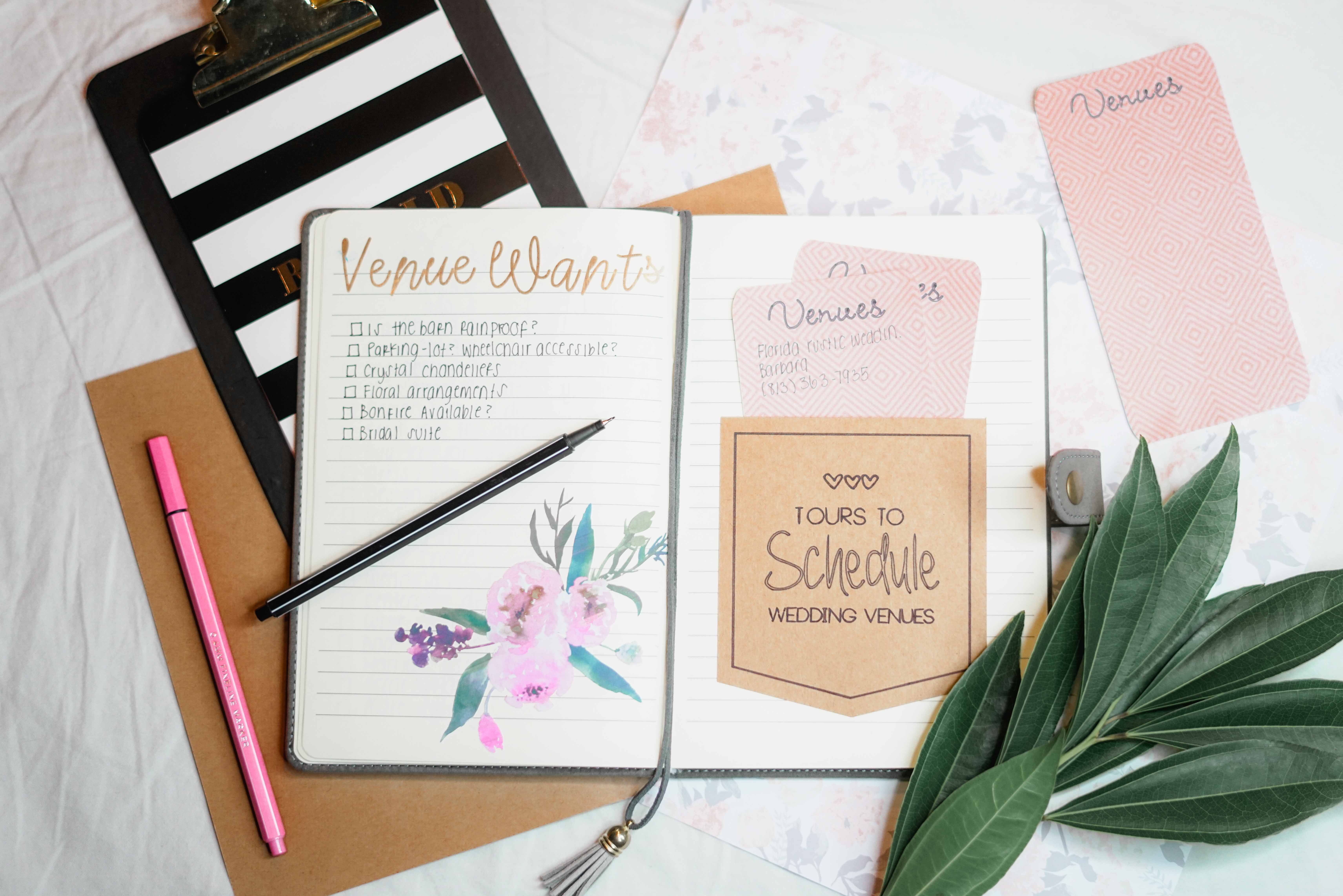
Wedding vendor management starts with a vendor list
Start by listing the roles, not the companies, because the list tells you how much coordination is coming. The most common bookings reflect where couples spend first: 89% book a venue, 88% hire a photographer and 85% hire a caterer, per the 2026 Real Weddings Study.
Here is a working checklist of the vendors most weddings involve:
- Venue (ceremony and reception, which may be two separate bookings)
- Caterer and, if separate, bar service
- Photographer and often a videographer
- Music, whether a DJ, a band or a ceremony musician
- Florist for bouquets, centerpieces and ceremony pieces
- Cake or dessert
- Officiant
- Hair and makeup
- Rentals such as tables, chairs, linens and lighting
- Stationery for invitations and day-of signage
- Transport for the couple and sometimes guests
- Planner or day-of coordinator
You will not need every role, and small weddings fold several into one. Write your own version first, because a list you built is far easier to track than a generic one, and it shows you immediately how many contracts you are about to manage.
How to choose wedding vendors and compare quotes
Choose vendors on three things in this order: whether they are free on your date, whether their work and reviews match your taste, and whether they answer you quickly. Responsiveness is not a nice-to-have, it is the top trust signal couples name, with 52% saying a vendor's responsiveness is key to building trust, according to the 2026 Real Weddings Study. A pro who is slow to reply during the sales stage rarely gets faster after you have paid.
Gather at least three quotes for each major role so you have a real basis for comparison. When the quotes land, line them up against the same criteria rather than price alone:
- What is actually included, hour by hour and item by item
- Total price versus the deposit and the final balance
- Overtime and travel fees, which are where "cheap" quotes get expensive
- Cancellation and rescheduling terms
- Reviews from couples with a wedding like yours
Read the full contract before you pay anything. Check that it names your exact date, start and end times, and venue address, and that it spells out what happens if they cancel or you do. If a term is vague, ask for it in writing, because a verbal promise is worth very little once the week of the wedding arrives. For the budget side of these decisions, our guide on how to plan a wedding on a budget covers where to spend and where to hold back.
Track deposits, payments and due dates
Record every deposit and balance with its due date the moment you sign, because this is where organized couples pull ahead. Most vendors take a deposit to hold your date and the rest closer to the wedding, which means you are juggling a dozen different amounts and deadlines at once.
For each vendor, log four things:
- Deposit amount and the date you paid it
- Balance owed and the exact date it is due
- Payment method each vendor accepts
- Who on your side is responsible for sending it
A simple table does the job, but a shared one is better, because it saves the "did you pay the florist?" conversations. Wdplan gives every event a running budget alongside your vendor list, so each deposit, balance and due date sits next to the contract it belongs to and both partners see the same numbers. The goal is that no payment is ever a surprise.
It helps to understand the scale you are planning against. The average wedding now costs $34,000 and runs to about $292 per guest across an average of 117 guests, per the 2026 Real Weddings Study. When you can see every balance against that total, trimming one vendor's package to protect another becomes a clear decision rather than a guess.
Keep every vendor contact in one organized place
Put all of your vendor information in one shared hub so you are never digging through email threads the week before the wedding. Scattered details are the quiet cause of day-of stress, because the one number you need is always in the one place you cannot find.
For each vendor, keep a single record that holds:
- Company and main contact name
- Phone, email and the best way to reach them fast
- The signed contract and any invoices
- Arrival or delivery time for the wedding day
- Notes, such as access instructions or special requests
Keeping contacts, contracts and payments together is exactly what an all-in-one planner is for, and it is a core reason couples move off spreadsheets. Wdplan stores vendor profiles, files and notes next to your guest list, budget and timeline, so your planner or a helpful relative can open one page and see everything. If you are weighing your options, our comparison of all-in-one event planning tools explains what to look for.

Communicate timelines and expectations clearly
Give every vendor the same written timeline, because mismatched schedules cause most of the friction on a wedding day. Your photographer's "start time" and your caterer's "start time" need to agree, and the only way to guarantee that is one shared document rather than a dozen separate email chains.
A few weeks out, send each vendor a confirmation note covering the essentials:
- Arrival time and where to park or load in
- Their window of work and when they wrap
- Who their on-site contact is, usually your coordinator
- Any changes since the contract was signed
Keep the tone clear and specific. "Setup begins at 2:00 pm at the north entrance" prevents more problems than a page of polite paragraphs. Confirm each vendor has acknowledged the timeline in writing, so you know the message landed. This same discipline keeps guest-facing details and seating on track once the vendor side is settled.
Build a day-of vendor contact sheet
Create a one-page contact sheet and hand it to your coordinator, because on the wedding day you should be getting married, not fielding phone calls. This single document is the payoff for all the tracking you have done.
Your sheet should list, for every vendor:
- Role (photographer, caterer, DJ, and so on)
- Company and contact name
- Mobile number that will be answered on the day
- Arrival or delivery time
- One-line note on what they need on site
Print two copies and keep a digital version on your phone and your coordinator's. Order the list by arrival time so the morning reads top to bottom. If you have been keeping your vendor records in one place, this sheet is a quick export rather than an evening of copy-pasting, which is the whole argument for staying organized from the first booking.
Pick one hub today and move your first three signed vendors into it, contracts, deposits and all. Starting while the list is short is far easier than migrating a dozen vendors in the final month, and it turns vendor management from a worry into a page you can actually trust. You can try the whole flow on a free sample event in Wdplan before you commit a cent.